
Blog
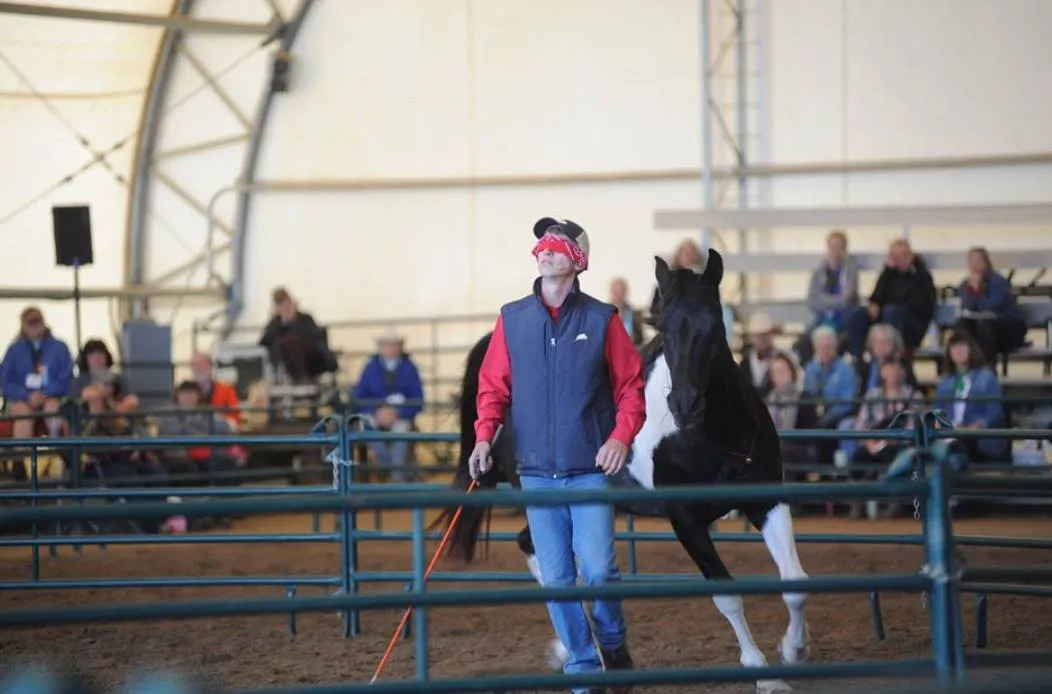
Thinking About Connection
Thinking About Connection
By Ryan Pfouts | Parelli Professional
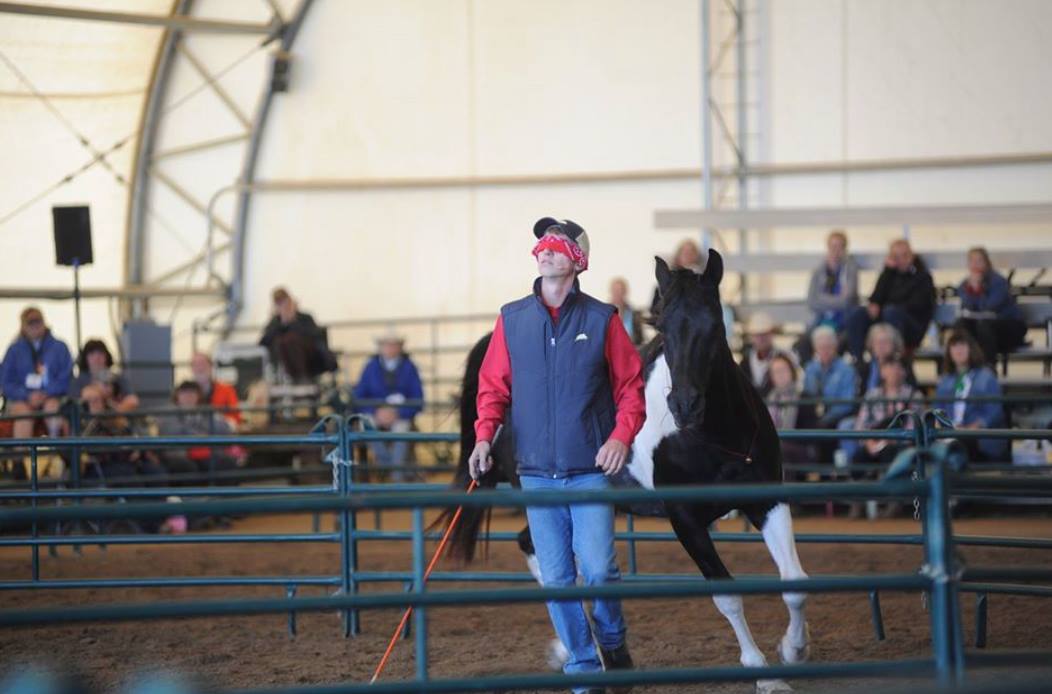
Lately, I’ve been thinking a lot about the word “connection.” It’s something so many of us want with our horses, yet we can have very different ideas about what it actually means.
Much like “natural horsemanship,” connection has become a personal word. For one person, it means a horse coming across the pasture to greet them. For another, it’s riding without reins, having a horse follow at liberty, or simply enjoying a quiet moment together. Those experiences can be meaningful. But when we want to improve connection, we need something more specific to work on.
That’s why I’ve been experimenting with the word: participation.
If your horse is willingly participating with you, chances are there’s a connection there. And participation gives us something we can objectively observe.
Imagine asking your horse to walk with you. They come along, but they’re moseying, looking elsewhere, and offering very little effort toward what you’re doing together. You’re managing every step. If I asked you to score their participation, you’d probably score it fairly low.
Now imagine the same walk with your horse attentive to your direction, stepping forward when you do, and contributing enough that you can stop reminding them. The task hasn’t changed very much, but the experience has.
That difference gives us a practical way to talk about connection. We can notice how much the horse is contributing and ask what would help them participate more willingly.
I’m interested in the quality of that contribution. A horse moving quickly isn’t automatically participating well, and a horse standing still may be participating beautifully. If the task is to wait quietly at the mounting block, standing still is exactly the contribution we’re looking for. A worried horse rushing around may be putting out enormous physical effort while having very little ability to engage with us.
So when I talk about participation, I’m considering the horse’s attention, their willingness to try, and their ability to stay involved without constant management. The amount of movement only makes sense in relation to the task and the individual horse.
This fits with the way Parelli presents the Seven Games as tools for communication. They give us opportunities to develop a horse who can contribute to everyday situations, from lowering their head for the halter to responding to our intention under saddle. The relationship becomes visible in how we do things together. Parelli on everyday partnership.
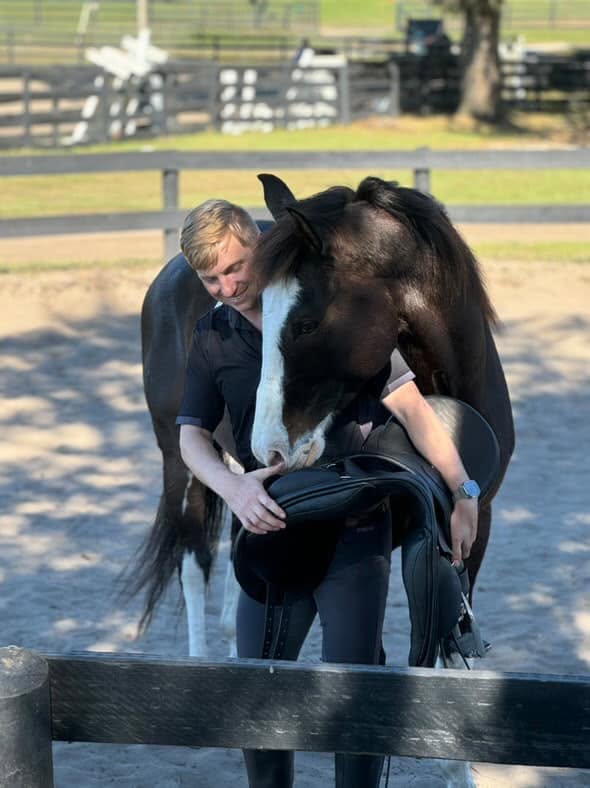
Here’s where I think the word connection can make us a little weird.
We care so much about preserving it that we become afraid to ask for anything. We hesitate, soften our intention until it’s difficult to read, or change the request before the horse has had a fair opportunity to understand it. We might even try to sneak our way into getting something done because making a clear request feels too risky.
From our perspective, we’re being considerate. From the horse’s perspective, we may be becoming increasingly hard to follow.
Imagine someone inviting you to help carry a table, then changing direction every time you reach for it. You might be perfectly willing to help. You’d still struggle to figure out your part.
Now consider how differently you might approach your horse if I simply said, “Help your horse participate in this.” You’d probably become more purposeful. You’d decide what you were asking, look for a response, and think about how to make that response easier to understand. You’d have a way to recognize progress.
You can care deeply about your horse’s experience and still ask them to contribute. Clear communication gives both of you something to work with.
Of course, asking for participation also gives us a responsibility: we have to pay attention to what the horse needs in order to offer it.
If participation is low, becoming stronger with the same request may miss the reason. A worried horse may need a smaller challenge and more time. A horse who understands the exercise but has lost interest may benefit from variety or a clearer purpose. If the horse is uncomfortable or tired, that needs our attention. And sometimes the most useful change is in us: clearer body language, better timing, or recognizing an effort we’ve been overlooking.
Parelli’s discussion of “cause and allow” encourages this kind of thinking: understand why a response is happening and adjust the setup, rather than relying on increasingly forceful repetition. I find that a useful guide when considering participation. Parelli on cause and allow.
It also means allowing the horse room to contribute. If I keep directing every detail after the horse has understood, I may be taking over the very responsibility I want them to develop. There needs to be a moment when I quiet my own activity enough to notice what they can offer.
One way to explore this is to choose a simple, familiar task and give the participation a rough score from one to five. At the low end, you’re carrying nearly the whole interaction. In the middle, your horse is responding but still needs frequent reminders. At the high end, they’re attentive and willingly contributing at a level appropriate to their education.
The score is a personal observation, not a verdict on your relationship. Its value is in helping you notice a change.
Then ask what might help the participation improve by one point. Perhaps you shorten the exercise, make your request clearer, or give the horse a more obvious destination. When they offer a better response, acknowledge it and give them time to experience having found an answer. Notice whether the next attempt becomes easier.
That approach gives purpose to the task while leaving room for the horse to learn. Pat Parelli’s emphasis on principles, purpose, and time is a useful reminder here: having something to accomplish matters, and so does the way we help the horse accomplish it. Pat Parelli on puzzle solving.
A low score in one moment doesn’t erase the relationship you’ve built. It tells you that this part of the conversation needs attention. That feels much more workable to me than worrying that every imperfect response means we’ve lost our connection.
I still value the word connection. Participation simply helps me bring it into focus. It gives me a way to observe what’s happening, take responsibility for my part, and help the horse become more involved.
The next time you’re with your horse, try asking yourself: “How much is my horse participating, and what do they need from me to participate more willingly?”
As that participation grows, you may find the connection you were hoping for becoming easier to recognize.


Contact
Ryan Pfouts Parelli Professional
1435 NE 24th St, Ocala Florida 34470
(229) 560-3372

Connect


© 2026
All Rights Reserved